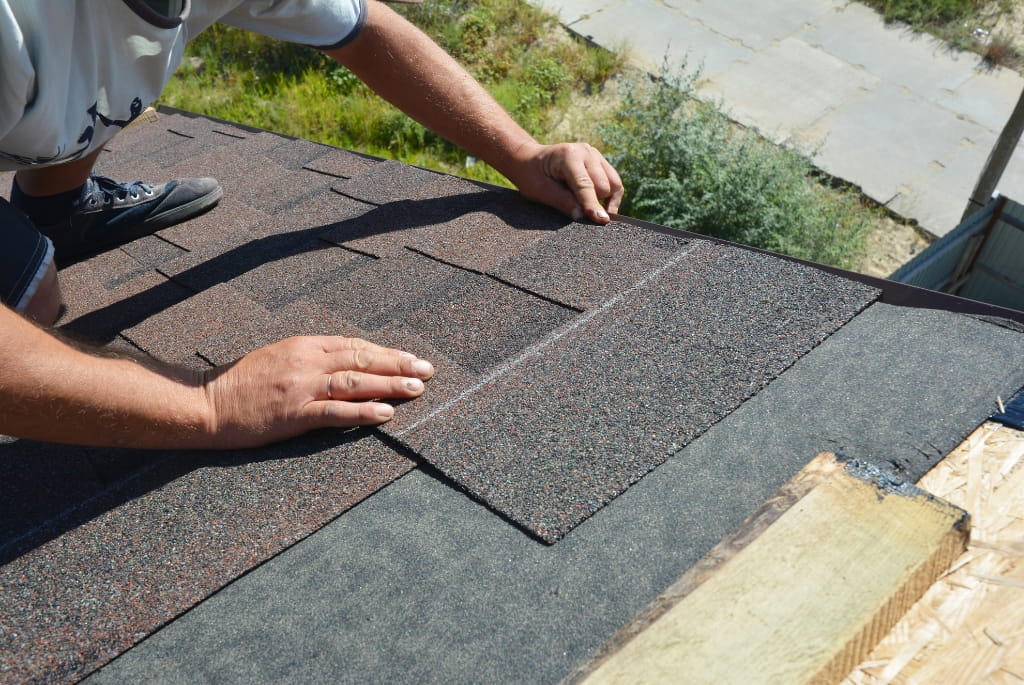
Introduction: Why Understanding Roof Shingles Cost in Connecticut Matters
Replacing a roof is one of the most significant investments a homeowner can make, and in Connecticut, the stakes are even higher. Harsh winters, heavy snowfalls, ice dams, and occasional storms can take a serious toll on your roof over time. Choosing the wrong shingle type or miscalculating costs can lead to expensive repairs, shortened lifespan, or even structural damage.
Understanding roof shingles cost, factors that influence pricing, and which shingles are best suited for Connecticut’s climate can save you thousands while ensuring your home stays safe and energy-efficient. In this guide, we’ll cover everything from material costs and installation expenses to maintenance tips, financing options, and frequently asked questions, helping you make a fully informed decision.
What Are Roof Shingles?
Roof shingles are the protective outer layer of your roof that shields your home from rain, snow, ice, wind, and UV rays. The type of shingles you choose affects not only your roof’s durability but also its appearance, energy efficiency, and long-term maintenance costs.
Common Shingle Types in Connecticut
-
Asphalt Shingles
- Most popular choice due to affordability and durability.
- Available in 3-tab (budget-friendly) and architectural styles (premium, layered look).
- Lifespan: 15–30 years, depending on quality and installation.
- Pros: Low cost, easy installation, fire-resistant.
- Cons: Shorter lifespan than metal or slate, may be prone to algae in humid areas.
-
Wood or Cedar Shingles/Shakes
- Offer a natural, rustic appearance ideal for traditional homes.
- Lifespan: 20–30 years with proper maintenance.
- Pros: Attractive and eco-friendly.
- Cons: High maintenance, can warp or rot if moisture gets trapped.
-
Metal Shingles
- Durable and energy-efficient, reflecting heat during summer.
- Lifespan: 40–70 years.
- Pros: Lightweight, resistant to ice and snow, low maintenance.
- Cons: Higher upfront cost, may be noisy during rain.
-
Slate and Synthetic Slate
- Premium option for luxury homes.
- Lifespan: 75–100 years.
- Pros: Extremely durable, fire-resistant, visually stunning.
- Cons: Very heavy, requires a strong roof structure, and expensive.
-
Solar Shingles
- Innovative roofing solution that generates electricity while protecting your home.
- Lifespan: 20–25 years for the shingle system; panels may last longer.
- Pros: Energy savings, potential tax credits.
- Cons: Very high upfront cost, limited installation contractors in Connecticut.
Average Roof Shingles Cost in Connecticut (2026)
Here’s the latest data on average installed costs per square (100 sq. ft.) for different roof shingles in Connecticut:
| Shingle Type | Average Installed Cost per Square | Total Cost for 2,000 sq. ft. |
| 3‑Tab Asphalt | $350 – $500 | $7,000 – $10,000 |
| Architectural Asphalt | $400 – $850 | $8,000 – $17,000 |
| Luxury Asphalt | $700 – $1,600 | $14,000 – $32,000 |
| Wood/Cedar | $600 – $1,000 | $12,000 – $20,000 |
| Cedar Shakes | $800 – $1,600 | $16,000 – $32,000 |
| Copper | $1,000 – $1,500 | $20,000 – $30,000 |
| Synthetic Slate | $800 – $1,500 | $16,000 – $30,000 |
| Solar Shingles | $2,100 – $2,500 | $42,000 – $50,000 |
Tip: Asphalt shingles remain the most popular choice in Connecticut for homeowners seeking a balance between cost, durability, and ease of installation.
Roof Shingles Cost per Square Foot
Understanding cost per square foot helps homeowners compare materials accurately and estimate total expenses for various roof sizes.
| Shingle Type | Cost per Square Foot |
| Asphalt | $3.50 – $16.00 |
| Wood/Cedar | $6.00 – $10.00 |
| Metal | $7.00 – $15.00 |
| Slate/Synthetic Slate | $8.00 – $15.00 |
| Solar | $21.00 – $25.00 |
These prices include materials and professional installation, though final costs may vary depending on roof complexity, CT contractor rates, and any required permits.
Main Factors That Affect Shingle Roof Cost in Connecticut
Several key factors influence the final cost of a roof replacement:
-
Roof Size and Pitch
- Larger and steeper roofs require more material and labor, increasing costs.
-
Material Quality and Brand
- Premium shingles cost more upfront but last longer and often come with better warranties.
-
Old Roof Removal
- Tear-off costs $1–$3 per sq. ft.
-
Underlayment, Flashing & Ventilation
- High-quality underlayment protects against ice dams common in Connecticut winters.
-
Labor Rates
- Labor costs vary regionally; Hartford and New Haven contractors may charge more than those in rural areas.
-
Permits and Inspections
- Many Connecticut towns require permits; costs typically range from $200–$500.
Best Shingle Types for Connecticut Homes
Choosing shingles for Connecticut requires considering climate, durability, and energy efficiency:
- Cold Winters & Snow Loads: Metal and architectural asphalt shingles handle heavy snow and ice dams well.
- Energy Efficiency: Metal and solar shingles reflect sunlight, reducing heating costs.
- Storm Resistance: Architectural asphalt and metal shingles resist wind and hail damage.
- Aesthetic Appeal: Cedar, slate, or synthetic slate shingles provide a premium, long-lasting look.
DIY vs Professional Installation
While DIY roofing can save money, Connecticut conditions make professional installation the safer choice. Benefits include:
- Proper adherence to building codes
- Full warranty coverage
- Safer handling of heavy, steep, or icy roofs
- Avoiding long-term damage from poor installation
DIY may reduce labor costs, but can result in higher repair costs if improperly installed.
Cost-Saving Tips for Connecticut Homeowners
- Compare Multiple Contractor Quotes – Always get 3–5 estimates.
- Consider Material Lifespan – Cheaper shingles may need replacement sooner, increasing lifetime cost.
- Plan Off-Season Installation – Spring or fall rates may be lower.
- Look for Financing Options – Many CT contractors offer payment plans.
- Check Insurance Coverage – Storm or hail damage may be partially covered.
Roofing Cost Examples by House Size in Connecticut
| House Size | Estimated Shingle Roof Cost |
| 1,500 sq. ft. | $6,720 – $18,000 |
| 2,000 sq. ft. | $8,960 – $24,000 |
| 2,500 sq. ft. | $11,200 – $30,000+ |
These examples give homeowners a realistic cost estimate based on house size and material choice.
Roof Maintenance Tips for Connecticut Homes
Proper maintenance prolongs shingle lifespan:
- Seasonal Inspections: After winter and storms, check for missing, cracked, or curling shingles.
- Snow and Ice Removal: Prevent ice dams by clearing snow safely.
- Gutter Cleaning: Avoid water backup and rotting.
- Moss and Mold Prevention: Use zinc or copper strips to prevent growth in shaded areas.
- Regular Repairs: Fix leaks promptly to prevent structural damage.
Signs Your Roof Needs Replacement
Watch for these Connecticut-specific warning signs:
- Curling or missing shingles after storms
- Dark streaks or algae growth
- Ice dams or water infiltration in the attic
- Sagging or uneven roof areas
- Frequent repairs required
Early detection can save thousands in emergency repairs.
Financing & Cost-Saving Options
Connecticut homeowners can explore:
- Contractor Financing Plans: Monthly payments for large projects.
- Energy Efficiency Credits: Tax incentives for solar shingles or reflective roofing.
- Insurance Claims: Storm damage may qualify for partial reimbursement.
- Bulk Material Purchase: Some contractors offer discounts for larger homes.
Frequently Asked Questions (FAQs)
Q1: How long do asphalt shingles last in Connecticut?
- 3-tab: 15–20 years
- Architectural: 25–30 years
Q2: What is the best shingle for snowy CT winters?
- Metal shingles, architectural asphalt, and cedar shingles with proper underlayment
Q3: Are solar shingles worth the cost?
- Yes, long-term energy savings and potential tax credits offset upfront costs.
Q4: Can I finance my roof replacement?
- Most CT contractors offer flexible financing options.
Q5: Is overlaying shingles cheaper than replacement?
- Initial cost may be lower, but it can reduce roof lifespan and void warranties.
Q6: How do ice dams affect shingles?
- Ice dams can lift shingles, create leaks, and damage underlayment if not addressed.
Q7: Can my insurance cover a new roof in Connecticut?
- Partial coverage is possible for storm or hail damage; check your policy.
Q8: How often should I inspect my roof?
- Twice a year, and after major storms.
Q9: Are premium shingles worth the extra cost?
- Yes, for a longer lifespan, better aesthetics, and reduced maintenance.
Q10: How much does labor contribute to the total cost?
- Labor can account for 40–60% of the total roof replacement cost, depending on complexity.
Conclusion: Make a Smart Roofing Decision
Replacing your roof in Connecticut doesn’t have to be overwhelming. By understanding roof shingles cost, material options, installation factors, and maintenance needs, you can make a decision that protects your home, maximizes longevity, and stays within budget.
Next Step: Request free estimates from licensed Connecticut roofing contractors and choose the shingle type that fits your budget, lifestyle, and climate requirements.