Introduction
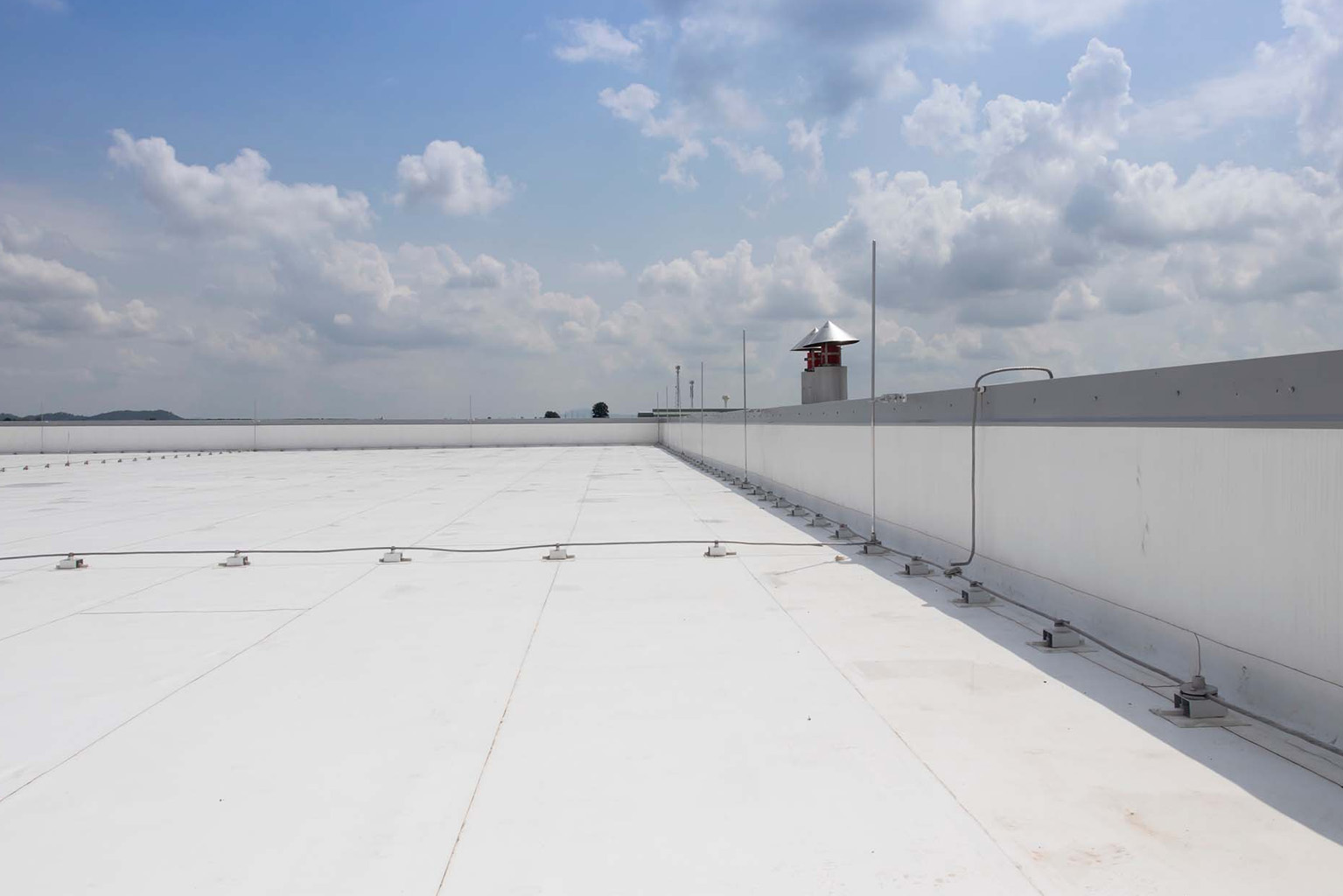
PVC roofs are one of the most durable roofing options available. In Connecticut, where heavy snow, strong winds, and occasional hailstorms are common, understanding how long a PVC roof lasts is crucial. A typical PVC roof can last 20 to 30 years, sometimes even up to 40 years with proper care. This guide will help Connecticut homeowners understand factors affecting PVC roof lifespan, maintenance tips, costs, and warning signs for replacement.
What is PVC Roofing?
PVC (Polyvinyl Chloride) roofing is a type of single-ply membrane commonly used for flat or low-slope roofs. It is popular for both residential and commercial properties because of its:
- Durability: Resistant to cracking, tearing, and shrinking.
- Fire resistance: Can handle high temperatures without damage.
- Chemical resistance: Safe against pollutants and industrial chemicals.
- Seam strength: Heat-welded seams prevent leaks better than glued alternatives.
PVC vs Other Materials
| Material | Lifespan | Pros | Cons |
| PVC | 20–30 years (up to 40) | Durable, fire & chemical resistant, energy efficient | Higher installation cost |
| TPO | 15–25 years | Energy efficient, affordable | Seems less durable, shorter lifespan |
| EPDM | 20–25 years | UV-resistant, low-cost | Seams glued/taped, can peel |
| Modified Bitumen | 15–20 years | Strong, good for steep roofs | Labor-intensive, shorter lifespan |
Average Lifespan of PVC Roofs
A well-installed PVC roof can last 20–30 years, and under ideal conditions, even up to 40 years. The key factors influencing lifespan include:
- Quality of Installation: Properly welded seams, secure flashing, and correct attachment ensure long-term durability. Poor installation can shorten the lifespan by 5–10 years.
- Climate: Connecticut’s snow, wind, and hail can reduce lifespan if the roof isn’t designed for local weather.
- Maintenance: Regular cleaning, inspections, and repairs can extend the roof’s life significantly.
- Roof Usage: Heavy foot traffic or rooftop equipment can cause wear. Walk pads reduce damage.
- Design Details: Proper slope, fewer roof penetrations, and good drainage prevent weak points.
Example: A Connecticut home with a 25-year-old PVC roof survived multiple snowstorms and minor hail damage with only minor repairs, illustrating the importance of quality installation and maintenance.
Connecticut Weather & Its Impact on PVC Roofs
Connecticut experiences:
- Heavy snow in winter: Can create ponding if drainage is poor.
- Hailstorms: Can cause small dents or membrane punctures.
- Strong winds: High winds may lift poorly installed edges.
- UV exposure in summer: Over time, UV rays can slightly degrade roofing material.
Tip: Inspect your roof after major storms to catch early damage.
Maintenance Tips to Extend Your PVC Roof’s Life
Simple maintenance can add years to a PVC roof’s lifespan:
| Maintenance Task | Frequency | Purpose |
| Biannual professional inspections | Spring & Fall | Catch small issues before they become major |
| Clear drains & gutters | 2–4 times/year | Prevent ponding water |
| Check seams & flashings | Twice/year | Prevent leaks |
| Walk pad installation | As needed | Protect high-traffic areas |
| Repair minor punctures | Immediately | Avoid water damage |
Signs Your PVC Roof Needs Replacement
Even the strongest PVC roof eventually needs replacement. Watch for these warning signs:
- Frequent leaks despite patching
- Ponding water that doesn’t drain
- Membrane cracks, shrinkage, or brittleness
- Seams failing or peeling
- Excessive patchwork indicates underlying issues
Example: A warehouse in Connecticut had small ponding issues ignored for years. Eventually, the PVC membrane cracked and required full replacement after only 18 years.
PVC vs Other Roofing Materials in Connecticut
| Feature | PVC | TPO | EPDM | Modified Bitumen |
| Lifespan | 20–30 yrs (up to 40) | 15–25 yrs | 20–25 yrs | 15–20 yrs |
| Snow & Ice Resistance | High | Moderate | Moderate | Moderate |
| Seam Strength | Heat-welded, strong | Heat-welded, moderate | Glued/taped, weaker | Bitumen layers, moderate |
| UV Resistance | Excellent | Good | Excellent | Good |
| Cost | High | Medium | Medium | Medium |
Conclusion: PVC provides the best long-term value for Connecticut homeowners, especially for flat roofs in snowy or windy areas.
Cost & Warranty Expectations in Connecticut
- Installation Cost: $6–$12 per square foot
- Replacement Cost: $7–$14 per square foot, depending on complexity
- Warranty: 15–20 years on materials; extended warranties possible with certified installers
Tip: Always hire a licensed, insured roofing contractor familiar with PVC roofs in Connecticut for proper installation and warranty coverage.
Expert Tips & Common Mistakes
- Do: Schedule inspections, clear drainage, and hire experienced contractors
- Don’t: Ignore minor damage, attempt DIY welding, choose the cheapest installer
Pro Tip: Walk pads and restricted rooftop access significantly reduce wear from foot traffic.
FAQs
Q1: How long can a PVC roof last in Connecticut?
A: Typically 20–30 years, up to 40 with excellent installation and maintenance.
Q2: Can maintenance extend my PVC roof’s life?
A: Yes. Regular inspections, cleaning, and minor repairs can add 5–10 years.
Q3: Does hail damage PVC roofs?
A: Small hail may dent the membrane, but PVC resists cracks better than most roofing materials.
Q4: What is the replacement cost per square foot?
A: In Connecticut, expect $7–$14 per square foot depending on roof size and complexity.
Q5: Are there energy efficiency incentives for PVC roofs in Connecticut?
A: Some utility programs and local incentives offer rebates for reflective roofing materials like PVC.
Final Thoughts
PVC roofs are a strong, long-lasting option for Connecticut homeowners. With proper installation, regular maintenance, and careful inspections, a PVC roof can protect your home for decades. Understanding its lifespan, signs of wear, and maintenance practices ensures you get the best value for your investment.