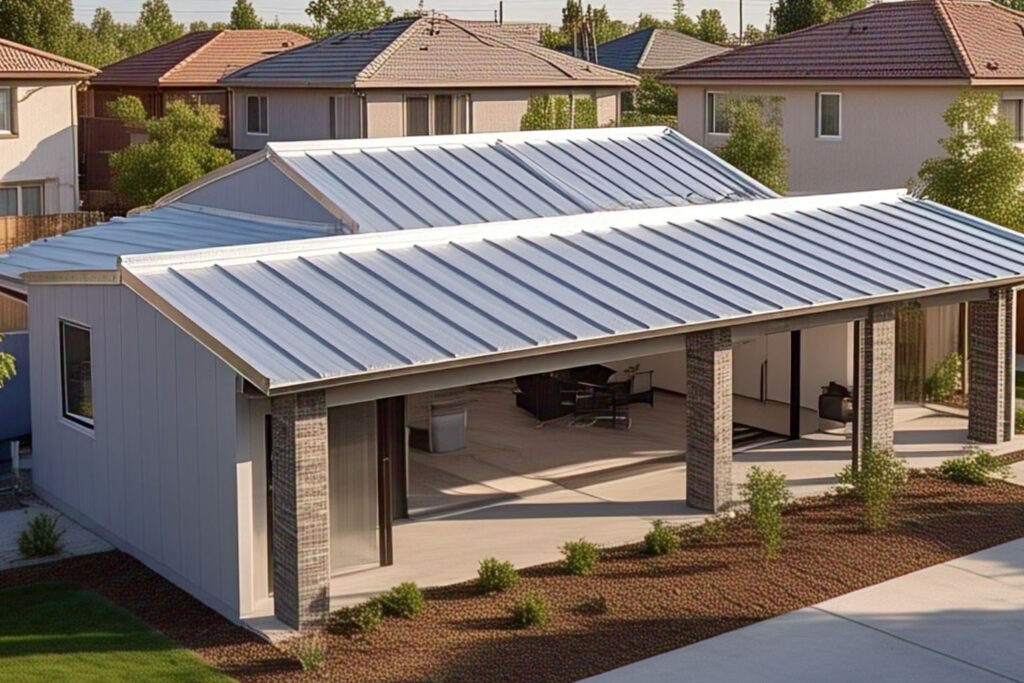
Introduction
Connecticut summers can be hot and humid, making metal roofs feel like heat traps during the peak months. While metal roofs are durable and long-lasting, without proper care, they can absorb and transfer heat into the building, raising indoor temperatures and energy bills. Fortunately, there are several practical ways to keep your metal roof cool, improve comfort, and save on cooling costs.
This guide will cover all types of metal roofs in Connecticut – residential homes, commercial buildings, barns, and industrial facilities – and provide actionable, expert-backed solutions.
Why Metal Roofs Get Hot in Summer
Metal is a highly conductive material, which means it can absorb and transfer heat quickly. Factors contributing to heat buildup include:
- Dark colors that absorb sunlight
- Lack of insulation or ventilation
- Direct exposure to the summer sun
- High humidity common in Connecticut
When a metal roof gets too hot, it can increase indoor temperatures by 10–20°F compared to shaded areas, making your air conditioning work harder.
Table: Overview of Cooling Methods for Metal Roofs
| Method | Effectiveness | Cost Range (CT) | Best For |
| Cool Roof Coatings | ⭐⭐⭐⭐⭐ | $1.50–$3.50 / sq.ft | All metal roofs |
| Ventilation Upgrades | ⭐⭐⭐⭐ | $500–$2,500 | Homes & commercial |
| Insulation | ⭐⭐⭐⭐ | $1–$3 / sq.ft | Homes & commercial |
| Radiant Barriers | ⭐⭐⭐ | $0.50–$2 / sq.ft | Homes & smaller buildings |
| Light-Colored Paint/Metal | ⭐⭐⭐ | $0.50–$2 / sq.ft | New roofs or repainting |
| Shade Structures / Overhangs | ⭐⭐ | $1,000–$5,000 | Partial coverage |
1. Cool Roof Coatings
Cool roof coatings are reflective paints or membranes designed to reflect solar radiation, reducing heat absorption.
Benefits:
- Lowers indoor temperature by up to 20°F
- Extends roof lifespan
- Reduces energy costs
Expert Tip:
Apply coatings during spring or early summer for maximum effect. In Connecticut, reflective coatings work best on southern- and western-facing roof panels.
Pros & Cons
| Pros | Cons |
| High effectiveness | Initial application cost |
| Can be applied on existing roof | Needs reapplication every 5–10 years |
| Eco-friendly, reduces energy use | Weather conditions can delay installation |
2. Proper Roof Ventilation
Ventilation systems remove hot air from attics or roof cavities, preventing heat buildup under the metal. Options include:
- Ridge vents
- Soffit vents
- Attic fans
Why It Works:
Removing hot air before it enters living or working spaces reduces cooling costs and keeps the building more comfortable.
Cost:
- Small residential homes: $500–$1,200
- Commercial buildings: $1,500–$2,500
Common Mistakes:
- Installing vents without an air path (air must flow from the soffit to the ridge)
- Using too few vents for large commercial buildings
3. Insulation Strategies
Adding high-quality insulation below the metal roof can block heat transfer. Common types include:
- Fiberglass batts
- Spray foam
- Rigid foam panels
R-Value Recommendation for Connecticut:
- Residential: R-38 in the attic
- Commercial: R-30+ in roof deck or ceiling cavity
Benefits:
- Keeps indoor spaces cooler
- Reduces AC energy consumption
- Reduces noise during rain
4. Radiant Barriers
Radiant barriers are reflective sheets installed under the roof to redirect heat away from the building interior.
Applications:
- Homes with metal roofs and attics
- Small commercial buildings
Pros & Cons
| Pros | Cons |
| Low-cost solution | Less effective in already insulated roofs |
| Easy DIY installation | Doesn’t replace ventilation needs |
| Reduces heat gain by 5–10°F | Needs proper installation for full effect |
5. Light-Colored Metal Roofs
Light colors like white, silver, or reflective gray reflect more sunlight than dark colors, naturally keeping roofs cooler.
Benefits:
- Easy solution for new roofs or repainting
- Works well with coatings for maximum effect
Cost:
- Painting/recoating: $0.50–$2 / sq.ft
- New light-colored metal panels: $5–$8 / sq.ft
6. Shade Structures & Overhangs
Adding awnings, pergolas, or strategically planted trees can reduce direct sunlight exposure to roof surfaces.
Best For:
- Partial roofs in residential areas
- Buildings with large southern or western exposures
Notes:
- Connecticut summers benefit from tree shade, but make sure roots won’t damage foundations
- Overhangs also protect siding and windows from UV damage
Connecticut Climate Considerations
Connecticut summers are warm and humid, with temperatures reaching 85–95°F on peak days. Metal roofs absorb heat faster than shingles, making these cooling strategies crucial:
- Southern CT (Stamford, Bridgeport): More sunlight, reflective coatings work best
- Central CT (Hartford, New Haven): Focus on ventilation + insulation combo
- Northern CT (Danbury, Torrington): Shade structures + light-colored roofs for heat reduction
Cost & ROI Comparison Table (Connecticut)
| Method | Initial Cost | Energy Savings (Yearly) | Payback Period |
| Cool Roof Coatings | $1.50–$3.50 / sq.ft | 10–20% | 3–5 years |
| Ventilation | $500–$2,500 | 5–10% | 5–7 years |
| Insulation | $1–$3 / sq.ft | 10–15% | 3–6 years |
| Radiant Barriers | $0.50–$2 / sq.ft | 5–10% | 5–6 years |
| Light-Colored Roof | $0.50–$2 / sq.ft | 5–15% | 4–6 years |
| Shade Structures | $1,000–$5,000 | 5–15% | 7–10 years |
Expert Tips & Common Mistakes
- Clean roof debris: Leaves and dirt reduce reflective ability
- Inspect coatings: Reapply every 5–10 years
- Check attic vents: Blocked vents reduce effectiveness
- Avoid dark panels: If painting, choose light or reflective colors
- Combine methods: Insulation + ventilation + reflective coating gives the best results
Frequently Asked Questions (FAQ)
Q1: Do metal roofs get hotter than shingle roofs?
Yes, metal roofs absorb and transfer heat faster, but with cooling strategies, you can keep them cooler than shingle roofs.
Q2: Does color really make a difference?
Yes, light-colored or reflective coatings can reduce roof surface temperature by 20–40°F in direct sun.
Q3: Can insulation alone keep my building cool?
Insulation helps, but it works best combined with ventilation or reflective coatings for maximum effect.
Q4: Are these methods expensive?
Most solutions have moderate costs, and many pay for themselves within 3–5 years through energy savings.
Q5: Can I DIY some of these methods?
Yes – radiant barriers, light-colored coatings, and shade structures can often be DIY, while ventilation upgrades may require a professional.
Conclusion
Keeping a metal roof cool in Connecticut requires a combination of strategies tailored to your building type and location. For residential homes, reflective coatings and insulation are most effective. Commercial and industrial buildings benefit from ventilation, radiant barriers, and light-colored panels. Adding shade structures can further reduce heat gain.
By using these methods, you can lower energy bills, increase comfort, and extend the lifespan of your metal roof while keeping your building cool even during Connecticut’s hottest summer days.
Next Steps:
- Inspect your metal roof for ventilation and insulation issues
- Choose the right cooling method for your building type
- Schedule professional coating or insulation installation if needed