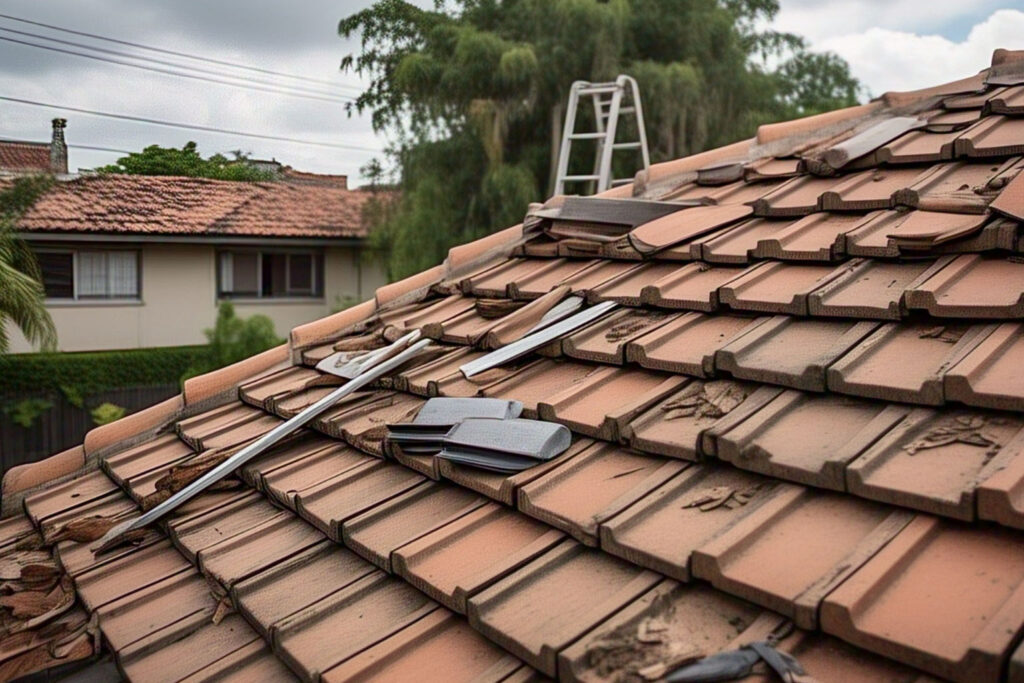
Tile roofs are known for their beauty, strength, and long lifespan. Many homes across Connecticut use clay tile, concrete tile, or slate tile roofing because these materials can last for decades. However, no roof lasts forever. Even the strongest tile roof will eventually need replacement.
If you are a homeowner in Connecticut, knowing when to replace your tile roof can save you from costly water damage, structural issues, and emergency repairs. This guide explains clear warning signs, benefits of replacement, cost breakdowns, pros and cons, and real examples—all in simple, easy-to-understand language.
Understanding Tile Roof Lifespan in Connecticut
Tile roofs last longer than asphalt shingles, but Connecticut’s weather plays a big role in how long they actually survive.
Average Tile Roof Lifespan
| Tile Type | Average Lifespan |
| Clay Tile Roof | 50–75 years |
| Concrete Tile Roof | 40–60 years |
| Slate Tile Roof | 75–100+ years |
Connecticut Weather Impact
Tile roofs in Connecticut face:
- Freeze-thaw cycles
- Heavy snow loads
- Ice dams
- Wind-driven rain
- Hot summers and cold winters
These conditions slowly weaken tiles, underlayment, and roof structure over time.
10 Clear Signs It’s Time to Replace Your Tile Roof
1. Cracked, Broken, or Missing Tiles
A few damaged tiles can be repaired. But widespread cracking or missing tiles often means the roof is near the end of its life.
Why it matters:
- Water slips under tiles
- Moisture damages the underlayment
- Leads to hidden leaks
2. Frequent Roof Leaks
If leaks keep coming back even after repairs, the problem is usually deeper than surface tiles.
Common causes:
- Old underlayment failure
- Nail corrosion
- Tile shifting due to age
Repeated leaks = replacement is more cost-effective than repairs.
3. Sagging Roof Areas
Tile roofs are heavy. If the roof deck or structure weakens, you may notice sagging.
This is serious because:
- It can lead to roof collapse
- Indicates structural damage
- Repairs alone are not enough
4. Failing Underlayment
Tiles protect the roof, but underlayment is the real waterproof layer. In Connecticut, underlayment often fails before tiles.
Signs of failure:
- Moisture in the attic
- Mold growth
- Water stains on ceilings
Replacing underlayment usually requires removing all tiles—making full replacement the smart choice.
5. Roof Is Over 40–50 Years Old
Even if tiles look okay, age matters.
Older tile roofs often have:
- Outdated materials
- Worn waterproof layers
- Structural stress
Preventive replacement avoids emergency failures.
6. Mold, Algae, or Moss Growth
Persistent growth on tiles may indicate trapped moisture.
Risks include:
- Tile deterioration
- Reduced insulation performance
- Indoor air quality issues
7. Rising Energy Bills
An aging tile roof loses its insulation value.
Warning signs:
- Hot attic in summer
- Cold drafts in winter
- Higher heating and cooling costs
8. Tile Slippage or Loose Tiles
Over time, fasteners weaken, and tiles shift.
Loose tiles can:
- Fall during storms
- Allow water intrusion
- Cause safety hazards
9. Interior Ceiling Stains
Brown or yellow stains on ceilings often mean long-term leaks.
By the time stains appear, damage is usually widespread.
10. Storm Damage History
Connecticut storms with snow, ice, or wind can shorten roof life. If your roof has suffered multiple storm events, replacement may be safer than repair.
Benefits of Replacing a Tile Roof in Connecticut
1. Long-Term Cost Savings
New tile roofs require less maintenance and fewer repairs over time.
2. Better Weather Protection
Modern tile systems are designed to handle:
- Heavy snow loads
- Ice dams
- Wind uplift
- Water penetration
3. Improved Energy Efficiency
New tile roofs reflect heat and improve attic ventilation, helping lower energy bills year-round.
4. Increased Home Value
Tile roofs boost curb appeal and resale value, especially in Connecticut’s competitive housing market.
5. Stronger Structural Safety
Replacing old tiles allows inspection and reinforcement of:
- Roof decking
- Support beams
- Ventilation systems
Tile Roof Replacement Cost in Connecticut (2026)
Tile roofing costs vary based on material, roof size, and complexity.
Average Cost Per Square Foot
| Tile Type | Cost per Sq. Ft. |
| Concrete Tile | $10 – $18 |
| Clay Tile | $15 – $25 |
| Slate Tile | $20 – $40 |
Total Cost Examples (2,000 sq. ft. Roof)
| Tile Type | Estimated Total Cost |
| Concrete Tile | $20,000 – $36,000 |
| Clay Tile | $30,000 – $50,000 |
| Slate Tile | $40,000 – $80,000 |
What Affects Tile Roof Cost in Connecticut?
- Roof pitch and complexity
- Structural reinforcement needs
- Old roof removal
- Underlayment upgrades
- Permit and inspection fees
Tile Roof Replacement vs Repair: What’s Better?
Repair Makes Sense If:
- Damage is limited
- Roof is under 25–30 years old
- Underlayment is still intact
Replacement Is Better If:
- The roof is over 40 years old
- Leaks are frequent
- Structural issues exist
- Underlayment has failed
Pros and Cons of Tile Roof Replacement
Pros
- Extremely long lifespan
- High resistance to fire and weather
- Excellent insulation
- Boosts property value
- Low maintenance
Cons
- Higher upfront cost
- Heavy material requires a strong structure
- Longer installation time
Best Tile Roofing Materials for Connecticut Homes
Concrete Tile
- Affordable and durable
- Handles freeze-thaw cycles well
- Popular choice in Connecticut
Clay Tile
- Beautiful appearance
- Long lifespan
- Needs strong roof framing
Slate Tile
- Premium option
- Lasts 100+ years
- Excellent for historic Connecticut homes
Real Example: Connecticut Tile Roof Replacement Scenario
Situation:
A 45-year-old concrete tile roof in central Connecticut had repeated leaks and rising energy bills.
Inspection Found:
- Cracked tiles
- Failed underlayment
- Minor structural weakening
Solution:
Full tile roof replacement with upgraded underlayment and ventilation.
Result:
- No leaks
- Lower energy costs
- Increased home value
Best Time of Year to Replace a Tile Roof in Connecticut
- Spring: Ideal weather, fewer delays
- Summer: Fast installation, higher demand
- Fall: Best balance of weather and pricing
- Winter: Possible but weather-dependent
How Long Does Tile Roof Replacement Take?
Most tile roof replacements in Connecticut take:
- 5–10 days, depending on:
- Roof size
- Weather
- Structural repairs needed
Maintenance Tips After Tile Roof Replacement
- Annual roof inspections
- Keep gutters clean
- Remove debris after storms
- Check attic ventilation
Frequently Asked Questions (FAQs)
How long does a tile roof last in Connecticut?
Most tile roofs last 40–75 years, depending on material and maintenance.
Is tile roofing worth the cost?
Yes. Tile roofs last longer and require fewer repairs than most roofing materials.
Can you replace only the underlayment?
Sometimes, but it usually requires removing all tiles—making full replacement more practical.
Does tile roofing handle snow well?
Yes, tile roofs are strong, but proper structure and installation are critical.
Will replacing my tile roof increase home value?
Yes. Tile roofs are a premium feature in Connecticut real estate.
Final Thoughts
Knowing when to replace your tile roof in Connecticut helps protect your home, avoid costly damage, and plan your investment wisely. If your roof shows signs of age, leaks, or structural issues, replacement is often the safest and most cost-effective option.
This guide is designed to stay evergreen, locally relevant, and fully informational, helping homeowners make confident roofing decisions in 2026 and beyond.