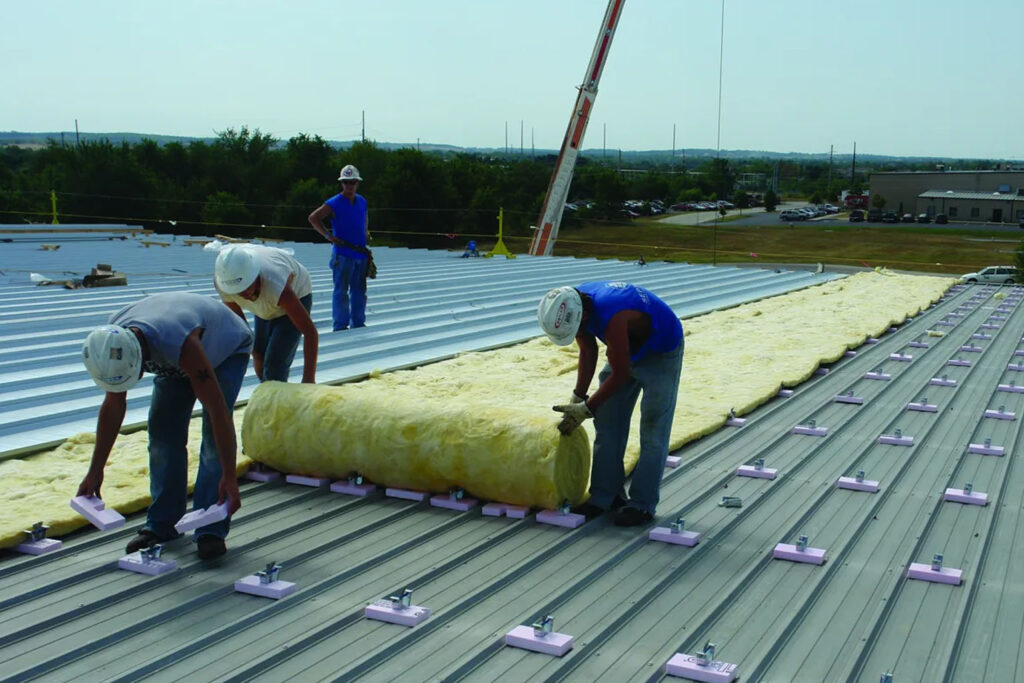
Choosing the wrong commercial roofing contractor can cost Connecticut business owners tens of thousands of dollars. From poor installation and hidden leaks to failed inspections and voided warranties, one bad decision can turn into years of stress and unexpected expenses. Many commercial property owners make the mistake of hiring a contractor based on price alone—without fully understanding qualifications, materials, or long-term performance. This guide is designed to help Connecticut business owners avoid those costly mistakes and confidently choose the right commercial roofing contractor from the start.
Why Choosing the Right Commercial Roofing Contractor Matters in Connecticut
Commercial roofing is not the same as residential roofing. Commercial buildings are larger, more complex, and often subject to stricter codes, heavier foot traffic, and harsher wear from Connecticut’s climate.
In Connecticut, commercial roofs must handle:
- Heavy snow loads in winter
- Freeze–thaw cycles
- Strong coastal winds in some regions
- Hot, humid summers
- Flat or low-slope drainage challenges
A contractor who lacks commercial experience may install the wrong system, ignore drainage design, or fail to follow local building requirements. These mistakes often do not show up immediately—but when they do, repairs are expensive.
Common Costly Mistakes Connecticut Businesses Make When Hiring a Contractor
Understanding what not to do is the first step toward making the right decision.
Mistake #1: Hiring a Residential Roofer for a Commercial Project
Many roofers advertise “commercial roofing” but primarily work on homes. Commercial roofing systems, materials, and installation methods are completely different.
Mistake #2: Choosing the Lowest Bid Without Understanding the Scope
Low bids often exclude:
- Proper insulation
- Drainage upgrades
- Warranty coverage
- Code compliance steps
What looks cheap upfront often becomes the most expensive option long-term.
Mistake #3: Not Verifying Licensing and Insurance
Unlicensed or underinsured contractors expose business owners to:
- Legal liability
- Failed inspections
- Out-of-pocket repair costs
Mistake #4: Ignoring Past Commercial Experience
A contractor may have years in business but very little experience with your building type.
Mistake #5: Skipping Written Warranties and Documentation
Verbal promises do not protect you if something goes wrong.
What Actually Makes a Qualified Commercial Roofing Contractor
A reliable commercial roofing contractor in Connecticut should meet all of the following criteria.
Proper Licensing and Insurance (Connecticut Basics)
A qualified contractor should have:
- Valid Connecticut contractor licensing
- General liability insurance
- Workers’ compensation insurance
If a contractor avoids showing documentation, that is a major red flag.
Understanding Commercial Roofing Systems (Very Important)
One of the biggest mistakes business owners make is hiring a contractor who only installs one type of roofing system. A good contractor explains options, not just what they sell.
Common Commercial Roofing Systems in Connecticut
| Roofing System | Best For | Lifespan | Pros | Cons |
| TPO Roofing | Large flat roofs | 20–30 years | Energy efficient, reflective, affordable | Quality depends on installation |
| EPDM (Rubber) | Warehouses, factories | 25–35 years | Durable, flexible, good for cold climates | Less reflective |
| Modified Bitumen | Older buildings | 20–25 years | Strong, layered protection | Heavier material |
| Metal Roofing | Industrial & retail | 40+ years | Long lifespan, durable | Higher upfront cost |
| Built-Up Roofing (BUR) | Heavy-use roofs | 20–30 years | Multiple layers, strong | Labor-intensive |
A trustworthy contractor explains why a system fits your building—not just pushes one option.
How to Match the Right Contractor to Your Building Type
Not all commercial buildings have the same roofing needs.
Offices
- Focus on energy efficiency
- Noise control during installation
- Clean appearance
Warehouses & Factories
- Durability
- Load capacity
- Chemical resistance (in some cases)
Retail Plazas
- Appearance
- Leak prevention over tenant spaces
- Minimal business disruption
Medical or Institutional Buildings
- Code compliance
- Long-term reliability
- Minimal odor and disruption
A qualified contractor should ask questions about how the building is used before recommending a system.
Commercial Roofing Cost Factors in Connecticut
Commercial roofing costs vary widely. A professional contractor explains pricing clearly instead of giving vague numbers.
Key Cost Factors
| Cost Factor | Why It Matters |
| Roof size | Larger roofs require more materials and labor |
| Roofing material | Some systems cost more but last longer |
| Roof access | Difficult access increases labor time |
| Insulation needs | Impacts energy efficiency and cost |
| Drainage upgrades | Prevents ponding water |
| Tear-off vs overlay | Full removal costs more upfront |
| Labor complexity | Details, penetrations, and edges matter |
A good contractor explains long-term value, not just price per square foot.
Example: How to Compare Two Commercial Roofing Contractors (Sample Evaluation)
| Evaluation Area | Contractor A (Qualified) | Contractor B (Risky Choice) |
| Commercial experience | 12+ years working on office buildings, warehouses, and retail plazas | Mostly residential projects with limited commercial work |
| Licensed & insured | Provides a valid Connecticut license and full insurance certificates | Says “insurance is available if needed” |
| System options explained | Explains TPO, EPDM, and metal roofing and recommends based on building use | Pushes only one system without explanation |
| Written estimate | Detailed scope including materials, insulation, drainage, and labor | Short estimate with vague line items |
| Warranty clarity | Clearly explains manufacturer and workmanship warranties in writing | Gives verbal warranty promises only |
| Timeline provided | Provides realistic start and completion dates | Gives no clear timeline |
| Past commercial references | Shares recent commercial projects in Connecticut | Cannot provide local commercial references |
Red Flags That Signal a Bad Commercial Roofing Contractor
These warning signs should never be ignored.
- Pushes you to “sign today.”
- Refuses to provide written estimates
- Cannot explain system differences
- No local commercial references
- Asks for full payment upfront
- Avoids warranty details
- Offers prices far below the market average
In Connecticut, legitimate commercial roofing contractors do not rush or pressure clients.
Real-World Connecticut Scenarios (Examples)
Example 1: Office Building Leak After 18 Months
A business chose the lowest bid. The contractor used low-quality materials and skipped insulation. After two winters, leaks appeared. The warranty was void due to improper installation.
Example 2: Warehouse Roof Ponding Issue
A contractor failed to correct drainage slopes. Water ponded for days, damaging insulation and shortening roof life by years.
Example 3: Retail Plaza Inspection Failure
Improper flashing caused repeated leaks. Local inspectors required repairs before approval—adding unexpected costs.
Pros and Cons: Cheap Contractor vs Qualified Contractor
| Option | Pros | Cons |
| Cheap contractor | Lower upfront cost | Poor materials, short lifespan, no protection |
| Qualified contractor | Long-term reliability, warranties, compliance | Higher upfront investment |
For commercial roofs, cheap almost always costs more later.
Expert Tips to Avoid Expensive Roofing Mistakes
- Always request a written scope of work
- Ask how drainage will be handled
- Confirm warranty coverage in writing
- Choose experience over price
- Verify commercial references
- Plan for long-term performance, not short-term savings
Buyer Checklist: Choosing the Right Commercial Roofing Contractor
Before signing, confirm:
- Commercial roofing experience
- Connecticut licensing
- Insurance certificates
- System options explained
- Clear timeline
- Written warranty
- Detailed estimate
- Post-installation support
Frequently Asked Questions (Connecticut Focused)
How do I know if a contractor truly specializes in commercial roofing?
Ask for recent commercial project examples similar to your building size and type.
Are commercial roofing warranties important?
Yes. Warranties protect against material defects and installation errors.
Should I replace or repair my commercial roof?
A professional inspection determines if repairs are cost-effective or if replacement is smarter long-term.
How long does a commercial roof installation take?
Most projects take days to weeks, depending on size, system, and weather.
Does Connecticut weather affect roofing choices?
Absolutely. Freeze–thaw cycles and snow loads must be considered.
Final Thoughts
Choosing a commercial roofing contractor in Connecticut is not a decision to rush. The right contractor protects your investment, your building, and your business operations for decades. The wrong choice leads to leaks, repairs, and lost money. By understanding systems, costs, red flags, and qualifications, Connecticut business owners can avoid costly mistakes and make confident, informed decisions.