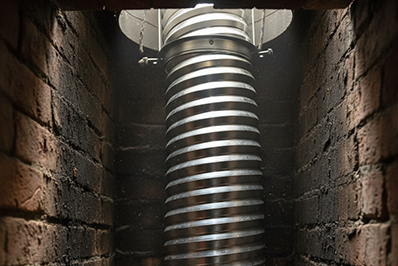
Chimney Relining & Liner Services in Connecticut Focused on Safety
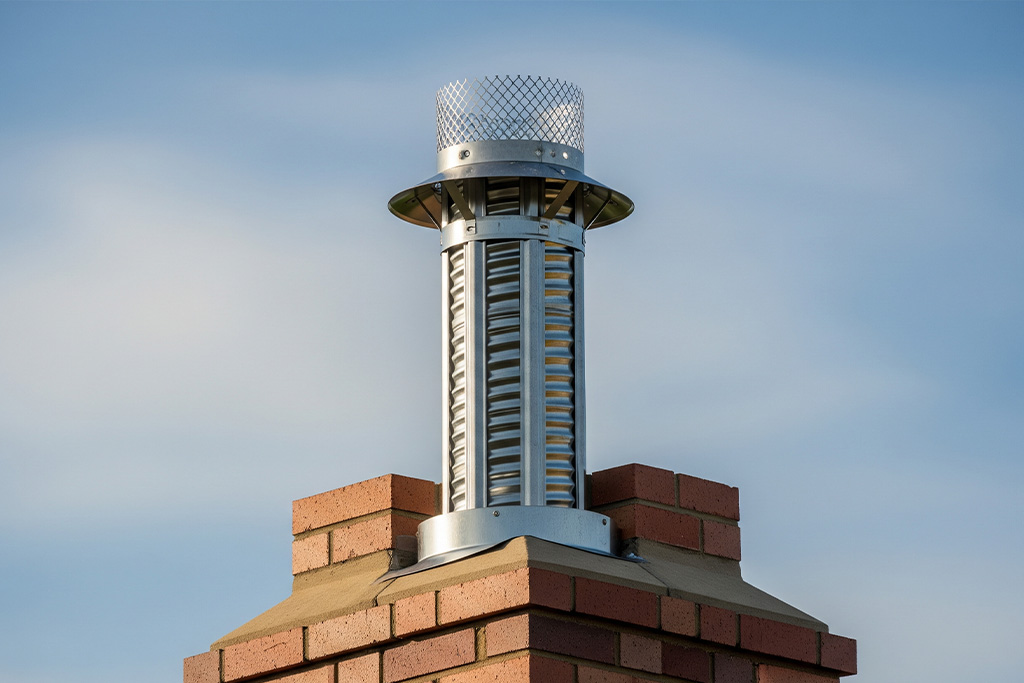
A damaged or outdated chimney liner is one of the most common — and most dangerous — issues we see in Connecticut homes. Cracked clay liners, corroded metal liners, and uninsulated flues can lead to smoke leaks, poor draft, chimney fires, and carbon monoxide exposure.
I’m part of a CSIA & NFPA-certified chimney team with over 12+ years of hands-on experience serving homeowners across Connecticut. Chimney relining and liner repairs aren’t guesswork for us — they’re routine, code-driven services backed by real inspections and proven methods.
If your chimney liner is cracked, failing, or no longer meets safety standards, this page explains when relining is required, what options you have, and how much chimney liner services typically cost in Connecticut.
What Is Chimney Relining and Why It Matters
Chimney relining (also called liner replacement) involves repairing or installing a new liner inside your chimney flue. The liner protects your home by:
- Containing smoke, gases, and sparks
- Improving draft and appliance efficiency
- Preventing heat transfer to surrounding masonry
- Meeting NFPA safety and insurance requirements
A damaged or missing liner is a code violation and a serious safety risk. In many Connecticut homes — especially older properties — clay liners are cracked or deteriorated beyond safe use.
Liner Inspection (Required Before Any Repair or Relining)
Before we recommend chimney liner repair or replacement, we start with a professional liner inspection.
What We Check During Liner Inspection
- Cracks in clay chimney liners
- Gaps or missing mortar joints
- Corrosion in metal flue liners
- Improper sizing for the appliance
- Heat damage or previous chimney fires
- Compliance with NFPA standards
A liner inspection tells us whether chimney liner crack repair is possible or if full liner replacement (relining) is the safer option.
Chimney Liner Repair Services (When Relining Is Not Required)
Not every liner issue requires full replacement. In some cases, chimney liner repair can restore safety and performance.
Common Chimney Liner Repair Scenarios
- Minor clay liner crack repair
- Localized chimney flue liner repair
- Small gaps sealed with approved materials
- Early-stage liner deterioration
We perform:
- Chimney clay liner repair
- Chimney flue liner repair
- Cracked chimney liner repair
Chimney Liner Repair Cost
The cost to repair a chimney liner depends on:
- Type of liner (clay, metal, stainless)
- Severity of cracks
- Chimney height and access
- Whether insulation upgrades are needed
In Connecticut, chimney liner repair cost is typically lower than full replacement — but only recommended when safety is not compromised.
Liner Replacement (Relining) Services in Connecticut
When a liner is severely cracked, improperly sized, or beyond repair, chimney relining is required.
When Liner Replacement Is Necessary
- Extensive clay liner cracking
- Failed previous repairs
- Chimney fire damage
- Appliance upgrades (gas, wood stove, insert)
- Unlined or oversized flues
We specialize in chimney liner replacement (relining) using code-approved materials designed for long-term performance.
Chimney Liner Installation (New & Replacement)
We provide complete chimney liner installation services for fireplaces, furnaces, boilers, and wood stoves.
Chimney Liner Installation Options
Chimney liner replacement (relining) is required when:
- Clay liners are severely cracked or collapsing
- The liner no longer meets NFPA safety standards
- A new appliance requires proper sizing
- Previous repairs have failed
Relining ensures long-term safety and code compliance.
Chimney Liner Installation Cost in Connecticut
The cost of a chimney liner installed depends on:
- Chimney height
- Appliance type
- Insulation requirements
- Liner material
- Installation complexity
We provide clear, upfront pricing after inspection — no surprises.
Liner Insulation (Critical for Safety & Performance)
Chimney liner insulation is not optional in many Connecticut installations — it’s a safety requirement.
Why Insulate a Chimney Liner?
- Maintains proper flue temperatures
- Improves draft
- Reduces creosote buildup
- Protects surrounding masonry
- Meets fire safety codes
Insulation Options We Use
- Insulated stainless steel chimney liners
- Pre-insulated chimney liners
- Fireproof chimney insulation
- Insulated chimney pipe for wood stoves
Whether you’re installing a new liner or upgrading an existing one, liner insulation significantly extends system life and safety.
Chimney Flue Insulation & Pipe Insulation
In addition to liners, we also address:
- Chimney flue insulation
- Chimney pipe insulation
- Insulated chimney systems for wood-burning appliances
This is especially important for:
- Exterior chimneys
- Wood stove installations
- Older masonry chimneys
Why Homeowners Across Connecticut Trust Our Chimney Liner Services
- 12+ years of real chimney experience
- CSIA & NFPA Certified Team
- Code-compliant liner installations
- Honest repair vs replacement guidance
- Local Connecticut service
- Safety-first approach (no shortcuts)
We don’t upsell relining when chimney liner repair is safe — and we don’t patch liners that should be replaced.
Signs You May Need Chimney Liner Repair or Relining
- Smoke smells inside the home
- Poor draft or back-drafting
- Cracked or missing clay tiles
- White residue on chimney exterior
- Carbon monoxide detector alerts
- Failed chimney inspection
If you’re searching for chimney liner repair near me or chimney liner installers near me, it’s time for a professional inspection — not a guess.
Frequently Asked Questions
1. How do I know if my chimney liner needs repair or full relining?
A chimney liner may need repair if there are small, localized cracks or minor deterioration. Full relining (liner replacement) is required when cracks are widespread, tiles are missing, the liner is undersized, or the chimney has fire damage. A professional liner inspection is the only safe way to determine the right solution.
2. What is the average chimney liner repair cost in Connecticut?
The cost to repair a chimney liner depends on the liner type, crack severity, and chimney height. Minor chimney liner crack repair is usually more affordable than full replacement. After inspection, we provide a clear recommendation and pricing based on safety — not guesswork.
3. When is chimney liner replacement required instead of repair?
- Clay liners are severely cracked or collapsing
- The liner no longer meets NFPA safety standards
- A new appliance requires proper sizing
- Previous repairs have failed
Relining ensures long-term safety and code compliance.
4. How much does chimney liner installation cost?
The chimney liner installation cost varies based on:
- Chimney height and access
- Liner material (stainless steel, insulated liner, etc.)
- Appliance type (fireplace, furnace, wood stove)
- Insulation requirements
The cost of a chimney liner installed is always confirmed after an on-site inspection.
5. Do chimney liners need insulation?
Yes. Chimney liner insulation is critical for safety, draft performance, and fire prevention. Insulated stainless steel chimney liners are often required by code, especially for wood stoves and exterior chimneys. Insulation helps maintain proper flue temperatures and reduces creosote buildup.
6. Can a cracked clay chimney liner be repaired?
In some cases, chimney clay liner repair is possible if cracks are minor and limited. However, many cracked clay liners require relining because patching does not restore full structural or fire safety protection. An inspection determines whether repair or replacement is safer.
7. How long does chimney relining or liner installation take?
Most chimney relining or chimney liner installation projects are completed within one day. Complex chimneys or insulation upgrades may take longer, but we always explain the timeline before work begins.
Schedule Chimney Relining & Liner Services in Connecticut
Whether you need chimney liner crack repair, full liner replacement, or a new chimney liner installation, our certified team is ready to help.
We serve homeowners across Connecticut with safe, code-compliant chimney liner solutions designed to last.