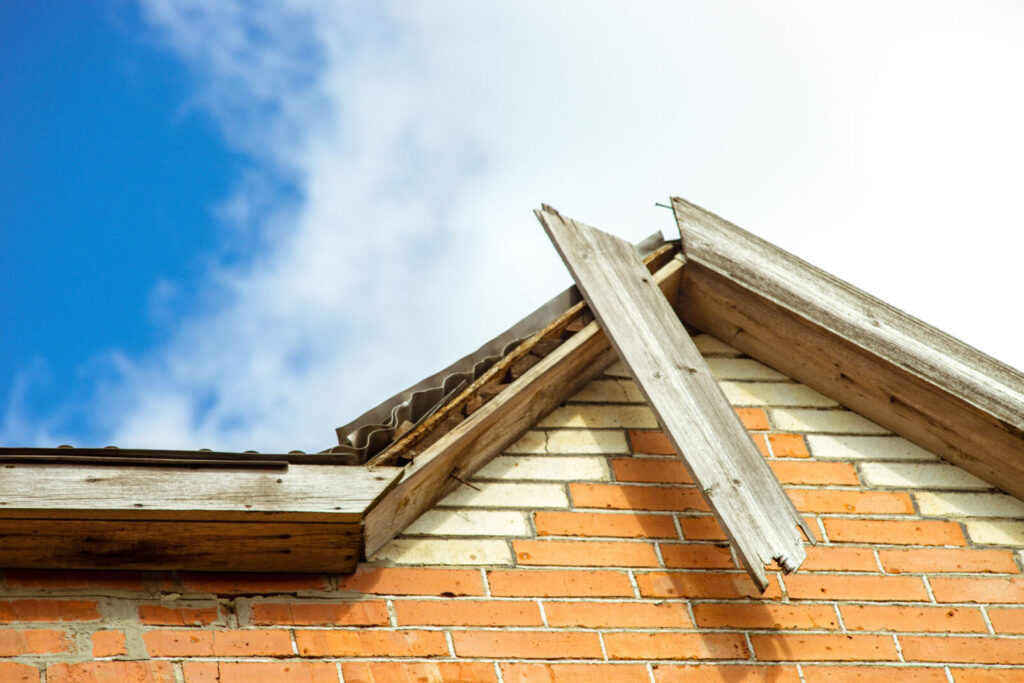
Windstorms in Connecticut can strike unexpectedly, leaving many homeowners concerned about roof wind resistance. Understanding how much wind a roof can withstand helps protect your home, prevent leaks, and avoid costly repairs. This guide explains roof wind ratings, types, damage signs, preventive measures, and repair costs that Connecticut homeowners need to know.
Understanding Roof Wind Ratings
When it comes to wind, roofs are rated based on their ability to withstand uplift and high-speed gusts. These ratings indicate how much force a roof can endure before shingles, tiles, or panels fail. Understanding them is key to protecting your Connecticut home.
Standard Roof Wind Ratings
- ASTM Standards: Testing measures shingle adhesion and uplift resistance.
- International Building Code (IBC): Provides wind speed requirements by region.
- Connecticut Codes: State-specific wind requirements ensure roofs survive seasonal storms and hurricanes.
Common Roof Types & Wind Speed Ratings
| Roof Type | Typical Wind Rating (mph) | Notes |
| Asphalt Shingles | 110–130 | Most common; higher grades available |
| Metal Roofs | 140–180 | Excellent for wind, long-lasting |
| Tile Roofs | 100–120 | Heavy, durable, but vulnerable to uplift |
| Flat Roofs | 90–110 | Risk of water pooling in windstorms |
These ratings indicate the maximum sustained wind a roof can handle. Short-term gusts may exceed these speeds, increasing the risk of damage.
Common Roof Types in Connecticut and Their Wind Limits
1. Asphalt Shingles
Asphalt shingles are the most popular choice in Connecticut due to affordability and ease of installation.
- Wind Resistance: Standard shingles withstand 110 mph, upgraded wind-rated shingles reach 130 mph.
- Pros: Affordable, widely available, easy repair.
- Cons: Can blow off in severe storms, lifespan shorter than metal or tile.
2. Metal Roofs
Metal roofs are gaining popularity in Connecticut for their durability.
- Wind Resistance: Can endure 140–180 mph depending on fastening and panel type.
- Pros: Extremely wind-resistant, long lifespan, low maintenance.
- Cons: Higher upfront cost, noisy in rain or hail.
3. Tile Roofs
Tile roofs (clay or concrete) are durable but heavier, and common in certain high-end homes.
- Wind Resistance: Typically 100–120 mph; tiles can crack under uplift.
- Pros: Long-lasting, fire-resistant, aesthetic appeal.
- Cons: Heavy, requires reinforced structure, vulnerable to high winds if improperly installed.
4. Flat Roofs
Flat roofs are often seen on modern or commercial buildings in Connecticut.
- Wind Resistance: Usually 90–110 mph; susceptible to uplift and water pooling.
- Pros: Simple installation, usable rooftop space.
- Cons: Vulnerable to leaks, require frequent inspection.
Roof Type vs Lifespan & Wind Resistance
| Roof Type | Lifespan (Years) | Wind Rating (mph) | Best Use Case |
| Asphalt Shingles | 20–30 | 110–130 | Residential homes |
| Metal Roofs | 40–70 | 140–180 | Homes prone to strong winds |
| Tile Roofs | 50+ | 100–120 | Luxury homes, aesthetic appeal |
| Flat Roofs | 15–25 | 90–110 | Commercial or modern homes |
How Wind Damages Roofs
Wind damages roofs primarily through uplift and shingle/tile displacement. Even moderate storms can cause hidden damage that worsens over time.
Common Wind Damage Types
- Shingle Blow-Off: Asphalt shingles may detach entirely during strong gusts.
- Tile Cracks/Breakage: Tile roofs can crack under uplift or flying debris.
- Leaks: Damaged shingles or tiles allow water to seep, causing interior damage.
- Structural Damage: Roof decking or fascia may loosen during extreme wind events.
Real-Life Connecticut Example:
During the 2018 nor’easter, many homes in Hartford reported 90–100 mph gusts. Asphalt shingles on older homes blew off, and some tile roofs cracked due to uplift, highlighting the importance of wind-rated materials.
Factors Affecting Roof Wind Resistance
Several variables impact how much wind a roof can actually withstand:
- Roof Pitch and Design: Steeper roofs deflect wind better than flat or low-slope roofs.
- Age and Condition: Older roofs are weaker; shingles loosen over time.
- Installation Quality: Proper fastening, underlayment, and flashing improve resistance.
- Surrounding Landscape: Trees or neighboring buildings can increase wind turbulence.
Preventive Measures and Reinforcements
Protecting your Connecticut home begins before the storm hits.
1. Upgrade Roofing Materials
- Use wind-rated shingles or metal panels for higher protection.
- Ensure tile roofs are properly anchored and reinforced.
2. Secure Roof Components
- Inspect flashing, gutters, soffits, and fascia.
- Replace loose or damaged components promptly.
3. Conduct Regular Inspections
- After storms, check for missing shingles, cracks, or debris damage.
- Schedule a professional inspection every 1–2 years, or after extreme weather events.
4. Reinforce Roof Structure
- Add hurricane straps or clips to strengthen the attachment.
- Reinforce decking and ridge boards if the roof is aging or showing wear.
5. Maintain Surroundings
- Trim trees near your roof to prevent branches from hitting during storms.
- Remove loose objects around the property that can become windborne debris.
Roof Type vs Wind Damage Prevention Tips
| Roof Type | Common Wind Damage | Prevention Tips | Recommended Inspection Frequency |
| Asphalt Shingles | Shingle blow-off, leaks | Install wind-rated shingles, secure flashing, and trim nearby trees | Twice a year + after storms |
| Metal Roofs | Panel uplift, loose fasteners | Use proper clips/fasteners, reinforce ridge caps, and remove debris | Annually + after high winds |
| Tile Roofs | Tile cracking, uplift | Anchor tiles securely, inspect underlayment, and replace broken tiles | Annually + post-storm |
| Flat Roofs | Uplift, water pooling | Ensure proper drainage, reinforce edges, and inspect for cracks | Twice a year + after heavy wind/rain |
Cost vs Preventive Action vs Potential Wind Damage
| Preventive Action | Approx. Cost ($) | Potential Damage Prevented | Notes / Connecticut Context |
| Wind-rated asphalt shingle upgrade | 6,000–12,000 | Shingle blow-off, minor leaks | Best for residential homes prone to strong gusts |
| Metal roof reinforcement | 10,000–25,000 | Panel uplift, long-term wind damage | Ideal for areas with high storm history |
| Tile roof anchoring & underlayment | 1,500–3,500 | Tile cracking, uplift, leaks | Necessary for older or exposed tile roofs |
| Flat roof edge and drainage reinforcement | 1,000–2,500 | Uplift, water pooling, leaks | Prevents storm-related leaks and structural issues |
| Post-storm roof repairs | 2,000–8,000 | Shingle/tile loss, leaks, structural damage | Costs much higher than the preventive measures |
| Regular inspection & maintenance | 150–400/year | Early detection of damage prevents major repairs | Low-cost investment for long-term roof health |
Key Insight: Preventive investment is significantly lower than post-storm repairs. For Connecticut homeowners, proactive measures can save thousands while extending the roof’s lifespan.
Expert Tips and Mistakes to Avoid
- Hire Licensed Contractors: Only trained professionals can ensure proper installation.
- Don’t Ignore Minor Damage: Small cracks or missing shingles can lead to major leaks.
- DIY Inspection Safety: Avoid climbing roofs; use binoculars or hire a professional.
- Document Roof Condition: Take photos annually to track wear and storm impact.
FAQs
Q1: How much wind can a roof withstand before damage?
A: It depends on the roof type and rating. Asphalt shingles handle 110–130 mph, metal 140–180 mph, tile 100–120 mph, and flat roofs 90–110 mph.
Q2: Can older roofs survive Connecticut hurricanes?
A: Older roofs may fail under high gusts, especially if shingles are loose or tiles are cracked. Reinforcement or replacement is recommended.
Q3: What roof type is best for windy areas in Connecticut?
A: Metal roofs provide the best wind resistance, followed by high-grade asphalt shingles. Tile and flat roofs need extra reinforcement.
Q4: How often should I inspect my roof after storms?
A: Inspect immediately after storms, and schedule a professional inspection at least once a year.
Conclusion
Wind damage in Connecticut is a real threat, but understanding your roof’s wind resistance and taking preventive measures can protect your home and save money. Regular inspections, upgrading materials, and reinforcement are key to ensuring your roof withstands even the strongest gusts. Stay proactive, know your roof’s limits, and act before small issues turn into costly repairs.