Introduction
Winters in Connecticut can be harsh. Heavy snowfall, freezing rain, and repeated freeze-thaw cycles often lead to ice dams on roofs. Ice dams are not just a visual problem. They can cause roof leaks, damaged shingles, mold growth, ruined insulation, and expensive interior repairs. To prevent these issues, many homeowners consider installing a roof ice melt system.
A roof ice melt system is a heating solution designed to keep critical roof areas warm enough to prevent ice buildup. While it is effective, one of the biggest questions homeowners ask is: How much does a roof ice melt system cost in Connecticut?
This guide explains everything in simple terms. You will learn about system types, average costs, installation factors, energy usage, pros and cons, maintenance needs, and whether it is worth the investment for Connecticut homes.
What Is a Roof Ice Melt System?
A roof ice melt system is an electric heating system installed on specific roof areas. Its main job is to create clear channels for melting snow and ice so water can safely drain off the roof.
These systems are usually installed on:
- Roof edges
- Gutters
- Downspouts
- Valleys where two roof slopes meet
When snow melts and refreezes at the roof edge, ice dams form. Ice melt systems prevent this by keeping the area warm enough for water to flow freely.
Why Roof Ice Melt Systems Are Important in Connecticut
Connecticut winters often include:
- Snowfall followed by freezing nights
- Coastal moisture mixed with cold temperatures
- Older homes with limited attic insulation
These conditions make ice dams very common. Ice dams can:
- Push water under the shingles
- Damage the roof decking
- Cause ceiling stains and drywall damage
- Lead to mold and mildew growth
For homes with repeated ice dam problems, an ice melt system can reduce long-term repair costs.
Average Roof Ice Melt System Cost in Connecticut
National vs. Connecticut Pricing
Costs in Connecticut are slightly higher than the national average due to labor rates, building styles, and winter demand.
Average Cost Breakdown
| Cost Item | Average Price Range |
| Heating cables (materials) | $10 – $20 per linear foot |
| Installation labor | $300 – $1,500 |
| Control systems (thermostat/sensor) | $200 – $800 |
| Electrical upgrades (if needed) | $300 – $1,000 |
| Total installed cost | $800 – $3,500+ |
For large or complex roofs, total costs can exceed $5,000.
Cost by System Type
1. Electric Heating Cable Systems
These are the most common systems used in Connecticut.
Cost:
- $10 to $20 per linear foot
Features:
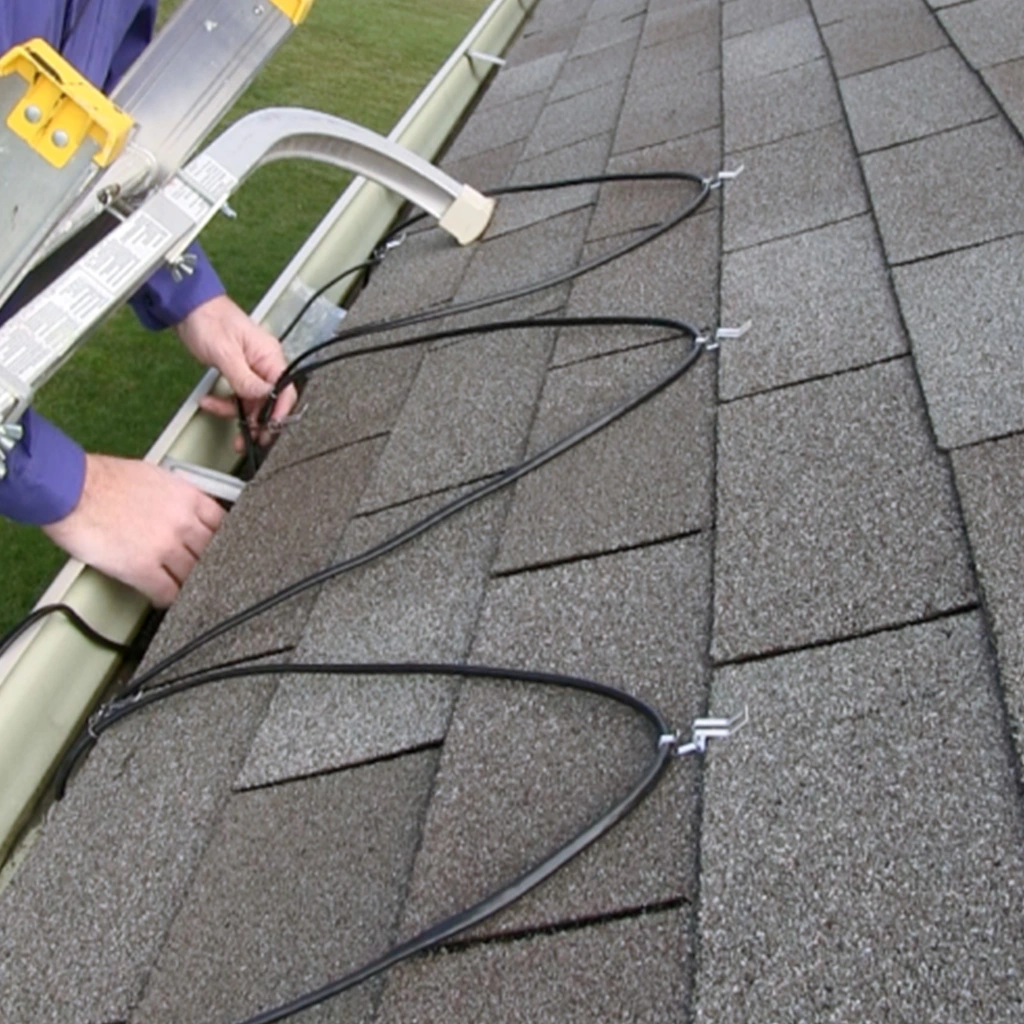
- Installed in zig-zag patterns on roof edges
- Can extend into gutters and downspouts
- Works well for asphalt shingle roofs
Best for:
- Residential homes
- Targeted ice dam prevention
2. Self-Regulating Heat Cable Systems
These cables adjust heat output based on temperature.
Cost:
- $15 to $25 per linear foot
Features:
- Energy-efficient
- Reduces overheating risk
- Longer lifespan
Best for:
- Homes with frequent ice buildup
- Homeowners concerned about energy use
3. Roof Panel Ice Melt Systems
These systems are built into metal roof panels.
Cost:
- $25 to $40 per square foot
Features:
- High efficiency
- Hidden installation
- Long-lasting
Best for:
- Metal roofs
- New construction or major roof upgrades
Factors That Affect Roof Ice Melt System Cost
1. Roof Size and Design
Larger roofs require more cable. Complex designs with valleys, dormers, and multiple slopes increase cost.
2. Roof Material
- Asphalt shingles: easiest and cheapest
- Metal roofs: may require special systems
- Slate or tile: higher labor costs
3. Length of Cable Needed
Most systems are priced by linear foot. The more roof edge and gutter coverage needed, the higher the cost.
4. Electrical Access
Homes without nearby power sources may need electrical upgrades, which increases cost.
5. Control System Type
Manual switches are cheaper, while automatic sensors cost more but save energy long-term.
6. Professional vs. DIY Installation
Professional installation costs more upfront but reduces safety risks and installation errors.
Installation Cost in Connecticut
Professional Installation
Average cost: $500 – $2,000
Includes:
- Safe roof access
- Correct cable spacing
- Proper fastening
- Electrical connection
DIY Installation
Material cost only: $300 – $1,200
Risks include:
- Improper cable placement
- Roof damage
- Electrical hazards
DIY is only recommended for small, simple roof sections.
Energy Usage and Operating Costs
How Much Electricity Does It Use?
Most systems use 5–8 watts per foot.
Monthly Operating Cost in Connecticut
| Usage Level | Estimated Monthly Cost |
| Light use | $20 – $40 |
| Moderate use | $40 – $75 |
| Heavy use | $75 – $150 |
Using thermostats and moisture sensors can lower costs significantly.
Pros of Roof Ice Melt Systems
- Prevents ice dams
- Reduces roof leaks
- Protects gutters and downspouts
- Extends roof lifespan
- Reduces interior water damage
- Works automatically when properly controlled
Cons of Roof Ice Melt Systems
- High upfront cost
- Ongoing electricity use
- Not a full replacement for insulation fixes
- Requires professional installation for best results
Expert Comparison Charts: Roof Ice Melt Systems vs Other Ice Dam Solutions
Comparison 1: Effectiveness vs Cost (Expert View)
| Solution | Upfront Cost | Effectiveness | Long-Term Value | Best Use Case |
| Roof Ice Melt System | High | Very High | High | Repeated ice dams, complex roofs |
| Attic Insulation Upgrade | Medium | Medium | Very High | Heat loss issues, energy savings |
| Roof Ventilation Improvements | Medium | Medium | High | Warm roof deck problems |
| Manual Ice Removal | Low | Low | Low | Short-term emergency only |
| Chemical Ice Melt Products | Low | Very Low | Very Low | Temporary sidewalk-style use |
Comparison 2: System Types (Professional Installer Perspective)
| Feature | Standard Electric Cable | Self-Regulating Cable | Integrated Roof Panels |
| Initial Cost | Low | Medium | High |
| Energy Efficiency | Medium | High | Very High |
| Lifespan | 5–10 years | 10–15 years | 20+ years |
| Risk of Overheating | Medium | Low | Very Low |
| Best Roof Type | Asphalt shingles | Asphalt & metal | Metal roofs only |
Comparison 3: Home Size vs Recommended Setup
| Home Size | Typical Roof Edge Length | Recommended System | Estimated Installed Cost |
| Small (under 1,500 sq ft) | 50–80 ft | Standard cable + manual switch | $800 – $1,500 |
| Medium (1,500–2,500 sq ft) | 80–150 ft | Self-regulating + thermostat | $1,800 – $3,500 |
| Large (2,500+ sq ft) | 150–250+ ft | Self-regulating + sensors | $3,500 – $6,000+ |
Comparison 4: When Experts Recommend Ice Melt Systems
| Scenario | Recommendation |
| Ice dams every winter | Strongly recommended |
| Interior ceiling stains | Recommended |
| Older home with poor insulation | Recommended |
| One-time minor ice buildup | Not necessary |
| Recently upgraded insulation | Optional |
Ice Melt Systems vs. Other Ice Dam Solutions
Attic Insulation
- Lower cost
- Improves energy efficiency
- May not fully stop ice dams
Roof Ventilation
- Reduces heat buildup
- Works best when combined with insulation
Manual Ice Removal
- Temporary solution
- Safety risks
- Not practical in the long term
Best approach: Combine insulation improvements with an ice melt system for maximum protection.
Cost Calculator: Estimate Your Roof Ice Melt System Cost in Connecticut
Below is a simple, homeowner-friendly way to estimate your total cost. This helps you understand pricing before contacting a contractor.
Step 1: Measure Roof Edge Length
Most Connecticut homes need protection along 50–200 linear feet of roof edge.
Step 2: Choose Cable Type
| Cable Type | Avg. Cost per Foot |
| Standard electric cable | $10 – $15 |
| Self-regulating cable | $15 – $25 |
Step 3: Add Installation Cost
| Home Size | Typical Install Cost |
| Small home | $500 – $800 |
| Medium home | $800 – $1,200 |
| Large or complex home | $1,200 – $2,000+ |
Step 4: Add Control System (Optional but Recommended)
- Manual switch: $100 – $200
- Automatic thermostat + moisture sensor: $300 – $800
Example Cost Calculation (Medium Home):
- 120 ft self-regulating cable × $18 = $2,160
- Installation = $1,000
- Automatic controls = $500
Estimated Total: $3,600
This example shows why costs vary widely and why professional evaluation matters.
Is a Roof Ice Melt System Worth the Cost?
For many Connecticut homeowners, the answer is yes—especially if:
- Ice dams happen every winter
- There is a history of roof leaks
- The home has complex rooflines
- Interior water damage has occurred before
When compared to repeated repair costs, an ice melt system can pay for itself over time.
Is It Worth It for Older Connecticut Homes?
Many Connecticut homes were built decades ago, long before modern insulation and ventilation standards. These homes are more likely to experience ice dams.
A roof ice melt system is often worth the investment for older homes because:
- Attic insulation may be limited or uneven
- Air leaks allow warm air to reach the roof deck
- Rooflines are more complex with dormers and valleys
- Interior repairs from leaks can be very expensive
However, ice melt systems work best when combined with:
- Air sealing in the attic
- Added insulation where possible
- Proper roof ventilation
For older homes where major insulation upgrades are difficult or costly, an ice melt system offers immediate protection without major remodeling.
Maintenance and Lifespan
Maintenance
- Annual inspection before winter
- Clear debris from gutters
- Test the system before the snowfall
Lifespan
- Standard cables: 5–10 years
- Self-regulating cables: 10–15 years
Proper installation and usage extend system life.
Common Mistakes to Avoid
- Installing cables only on the roof edges
- Skipping gutters and downspouts
- Using extension cords instead of permanent wiring
- Running the system all winter without controls
Frequently Asked Questions (FAQs)
How long does installation take?
Most installations take 3–6 hours for average homes.
Can ice melt systems damage shingles?
No, when installed correctly.
Do they work during heavy snowstorms?
Yes, especially when paired with sensors.
Can they be installed on old roofs?
Yes, but the roof condition should be checked first.
Are permits required in Connecticut?
Usually not, but electrical work may require inspection.
Final Thoughts
A roof ice melt system is not the cheapest solution, but it is one of the most reliable ways to prevent ice dams in Connecticut. Understanding the costs, benefits, and limitations helps homeowners make informed decisions. When combined with proper insulation and ventilation, it offers long-term protection and peace of mind during harsh winters.