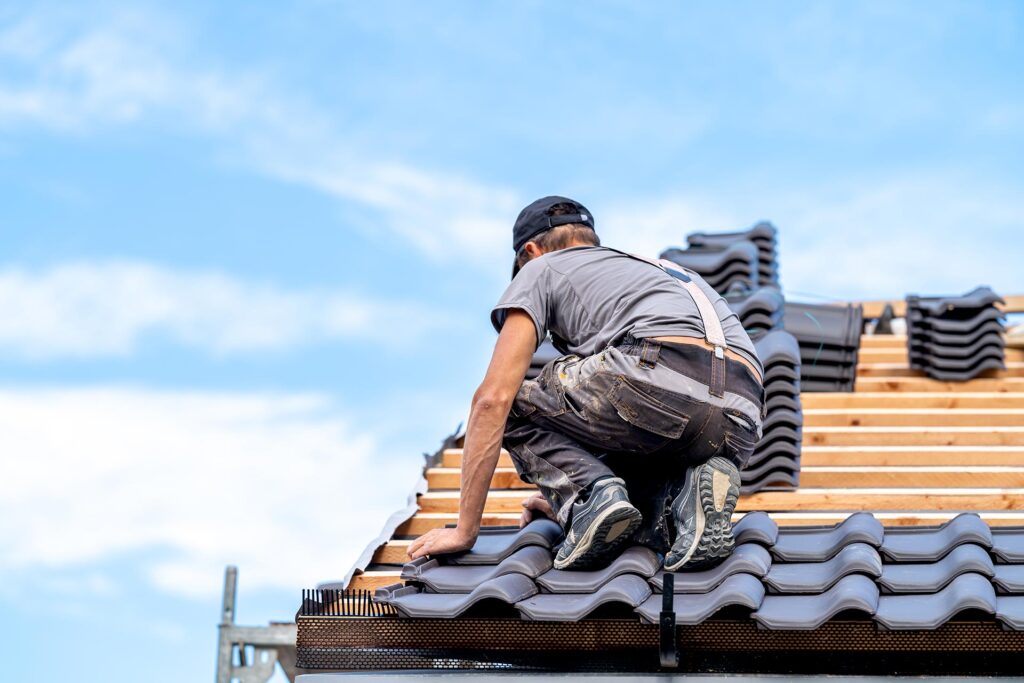
Hailstorms, heavy rain, snow, and strong winds are common in Connecticut. These weather conditions can slowly damage your roof without you even noticing. Small cracks, loose shingles, or hidden leaks can turn into expensive problems if ignored. A professional roof inspection helps homeowners understand the true condition of their roof and prevent sudden repair costs. This guide explains the benefits of professional roof inspections, the best time to schedule one, red flags to avoid, and how to choose the right roofing company.
What Is a Professional Roof Inspection?
A professional roof inspection is a detailed check of your roof by a trained and experienced roofing expert. The inspector looks for visible and hidden problems that most homeowners cannot see from the ground.
During an inspection, professionals examine:
- Shingles and roofing materials
- Flashing around chimneys and vents
- Gutters and drainage
- Signs of leaks or water damage
- Structural issues
- Attic moisture and ventilation
Unlike DIY checks, professional inspections focus on safety, accuracy, and long-term roof health.
Why Roof Inspections Are Important in Connecticut
Connecticut’s climate puts extra stress on roofs. Snow buildup, ice dams, freeze-thaw cycles, summer heat, and storms can all shorten a roof’s life.
Regular professional roof inspections help homeowners:
- Catch problems early
- Avoid emergency repairs
- Prepare for seasonal weather
- Protect home value
The Top 8 Benefits of a Professional Roof Inspection
1. Early Detection of Roof Problems
Small issues like cracked shingles or loose flashing can be fixed quickly if found early. A professional inspection helps stop these problems before they become major leaks or structural damage.
2. Save Money on Costly Repairs
Minor repairs cost far less than emergency roof repairs or full replacements. Inspections help homeowners plan repairs instead of reacting to sudden damage.
3. Extend the Life of Your Roof
A well-maintained roof lasts longer. Regular inspections help your roof reach or even exceed its expected lifespan.
4. Prevent Water Damage and Mold
Hidden leaks can damage ceilings, walls, insulation and lead to mold growth. Inspections identify leak risks before water enters your home.
5. Support Insurance Claims
After storms, a professional inspection report provides documentation that insurance companies often require. This makes claims smoother and more successful.
6. Improve Home Safety
Climbing on a roof is dangerous. Professional inspectors have proper safety equipment and training to inspect roofs safely.
7. Peace of Mind
Knowing your roof is in good condition gives confidence that your home and family are protected year-round.
8. Help When Buying or Selling a Home
Roof inspection reports help buyers avoid surprises and help sellers build trust and confidence during negotiations.
Signs You May Need a Roof Inspection
You should schedule a roof inspection if you notice:
- Water stains on ceilings or walls
- Missing, cracked, or curling shingles
- Granules in gutters
- Sagging roof areas
- Higher energy bills
- Musty smells in the attic
Even if you see no signs, yearly inspections are still recommended.
Best Time of Year for Roof Inspection in Connecticut
Spring (March – May) — BEST TIME
- Reveals winter damage from snow and ice
- Ideal for planning repairs before summer
Fall (September – November) — SECOND BEST
- Prepares the roof for winter
- Fixes summer heat damage
Summer (June – August)
- Dry weather allows clear inspections
- The busy season may cause delays
Winter (December – February) — AVOID IF POSSIBLE
- Snow hides damage
- Slippery and unsafe
- Only recommended for emergencies
Seasonal Comparison Table
| Season | Inspection Quality | Recommendation |
| Spring | ⭐⭐⭐⭐⭐ | Best |
| Fall | ⭐⭐⭐⭐ | Very good |
| Summer | ⭐⭐⭐ | Acceptable |
| Winter | ⭐ | Emergency only |
Storm Damage: When to Inspect Immediately
Schedule a roof inspection right after:
- Hailstorms
- Strong windstorms
- Fallen tree branches
- Heavy rain or flooding
- Ice storms
Delaying inspections may worsen damage and affect insurance claims.
Best Time of Day for Roof Inspections
- Morning (8–11 AM) is ideal
- Avoid rainy, windy, or extremely hot hours
How Often Should Roofs Be Inspected?
| Roof Age | Inspection Frequency |
| 0–5 years | Every 2 years |
| 6–15 years | Once a year |
| 15+ years | Twice a year |
| After storms | Immediately |
What Happens During a Professional Roof Inspection?
Inspectors usually check:
- Shingle condition
- Flashing and sealants
- Gutters and downspouts
- Structural integrity
- Attic moisture and insulation
- Leak-prone areas
A written report with findings and photos is often provided.
What a Roof Inspector Will NOT Do
- They will not pressure you into repairs
- They will not exaggerate the damage
- They will not replace materials during inspection
- They will not force contracts
Good inspectors focus on honesty and education.
Pros and Cons of Professional Roof Inspections
| Pros | Cons |
| Finds hidden damage | Small inspection cost |
| Saves money long-term | Follow-up visits may be needed |
| Safer than DIY | Busy seasons may cause delays |
| Helpful for insurance | Not all companies are reliable |
5 Red Flags When Choosing a Roof Inspection Company
- No license or insurance
- No written report
- High-pressure sales tactics
- Asking for large upfront payments
- Vague explanations
5 Green Flags of a Reliable Roofing Company
- Licensed and insured
- Clear communication
- Written inspection report
- Photos included
- No pressure sales
Free vs Paid Roof Inspection Comparison
| Feature | Free Inspection | Paid Inspection |
| Report detail | Basic | Detailed |
| Objectivity | Sometimes biased | More honest |
| Insurance support | Limited | Strong |
| Long-term planning | Minimal | Better guidance |
DIY vs Professional Roof Inspection
| Factor | DIY | Professional |
| Safety | Risky | Safe |
| Accuracy | Low | High |
| Hidden damage | Missed | Detected |
| Insurance use | Not accepted | Accepted |
Sample Roof Inspection Report Includes
- Roof age estimate
- Shingle condition
- Flashing condition
- Leak risk areas
- Maintenance suggestions
- Priority level (low, medium, high)
How Connecticut Weather Affects Roofs
Cold Weather: Cracks, ice dams
Hot Weather: Curling shingles, UV damage
Rain & Moisture: Leaks, mold, wood rot
FAQs About Professional Roof Inspections
How long does a roof inspection take?
Usually 1–2 hours, depending on roof size.
Is a professional inspection worth the cost?
Yes, it often saves thousands in future repairs.
Can I inspect my roof myself?
You can look from the ground, but professionals find hidden issues safely.
Does a roof inspection affect the warranty?
No, regular inspections help protect warranties.
Final Thoughts
A professional roof inspection is not about selling repairs. It is about understanding your roof’s condition, preventing unexpected costs, and protecting your home — especially in Connecticut’s changing weather. Regular inspections help homeowners stay informed, prepared, and confident.